


📅 Last Updated: October 4, 2026
A pre-approval letter in commercial real estate is not a commitment to lend — it is a statement of preliminary interest based on incomplete information. The difference between a pre-approval, a pre-qualification, and a binding commitment letter is the difference between a conversation, a handshake, and a signed contract. In competitive South Florida markets where sellers receive multiple offers within days of listing, understanding which document actually moves the needle — and which is theatre — can mean the difference between winning and losing the deal. Sponsors who confuse pre-approval with commitment are setting themselves up for a momentum-killing surprise at the closing table.
The Three Stages: What Each Document Actually Means
Pre-Qualification
A pre-qualification is the lightest-touch assessment a lender can provide. It typically involves a verbal conversation or a brief written summary where the borrower describes the deal, and the lender provides a general indication of terms — rate range, leverage range, approximate loan amount. However, no documents have been reviewed. Therefore, no credit has been pulled. Additionally, no property analysis has been conducted.
What the lender has actually verified: Nothing.
Value to a seller: Minimal. Any lender will pre-qualify any deal in a 15-minute phone call. A pre-qualification letter tells a seller that a borrower talked to a lender. That’s it.
Pre-Approval
A pre-approval is a more substantive assessment. The lender has typically reviewed basic financial documents — personal financial statement, entity documentation, rent roll, and preliminary property financials. They may have pulled credit. Moreover, they have run the numbers through their preliminary underwriting model and determined that the deal appears to work.
What the lender has actually verified: Borrower’s creditworthiness (partially), preliminary property cash flow analysis, general loan sizing.
What the lender has NOT verified: Appraisal, title, environmental, insurance costs, tenant lease review, detailed property condition, legal entity structure, and source of equity.
A pre-approval is conditional on all of these unverified items meeting the lender’s requirements. As a result, and here’s the critical point: the conditions are almost always in the lender’s sole discretion. For example, a pre-approval letter saying “subject to satisfactory appraisal” means the lender can walk away if the appraisal comes in $1 below their threshold.
Commitment Letter (Term Sheet)
A commitment letter — sometimes called a loan commitment or binding term sheet — is the document that actually matters. Consequently, in a true commitment letter, the lender has completed (or substantially completed) underwriting and commits to fund the loan under specific, defined conditions. The conditions are narrow and objective: receipt of a satisfactory appraisal (usually already ordered or completed), title insurance commitment, environmental report, and executed loan documents.
What the lender has actually verified: Everything material. Credit, property cash flow, entity structure, guarantor financial capacity, insurance availability, and preliminary title.
A commitment letter typically comes with a commitment fee — 0.5% to 1.0% of the loan amount — which is the lender’s compensation for taking the deal off their pipeline and reserving capital. The commitment fee is usually non-refundable but credited toward closing costs. This fee is important: it represents real skin in the game from the lender. A lender who charges a commitment fee has made an economic commitment to your deal.
The Probability-Weighted Close Rate Formula
Not all approvals are created equal. Here’s a formula for estimating the actual probability of closing based on the approval stage:
Expected Close Probability = Stage Probability × Condition Satisfaction Rate
Based on industry data and our own deal experience:
| Stage | Base Close Rate | Typical Condition Risk | Effective Close Probability |
|---|---|---|---|
| Pre-Qualification | 15-25% | High — nothing verified | ~15% |
| Pre-Approval | 40-60% | Moderate — key items unverified | ~45% |
| Commitment Letter (conditional) | 75-85% | Low — narrow conditions remaining | ~80% |
| Commitment Letter (rate locked, appraisal complete) | 90-95% | Minimal — procedural items only | ~92% |
Let’s apply this to a real scenario. You’re competing for a $6.2 million mixed-use property in downtown Delray Beach. Meanwhile, the seller has two offers:
• Offer A: $6.2M, 30-day close, pre-approval letter from a national bank
• Offer B: $6.0M, 45-day close, commitment letter with rate lock from a bridge lender
Expected value to the seller:
Offer A: $6,200,000 × 0.45 = $2,790,000
Offer B: $6,000,000 × 0.92 = $5,520,000
The lower-priced offer with a commitment letter has nearly double the risk-adjusted value to the seller. This is why sophisticated sellers and listing brokers in competitive markets weight certainty of execution as heavily as price — and why a pre-approval letter from a bank is often less competitive than a commitment from an alternative lender.
What Lenders Actually Verify vs. What’s Theatre
Here’s the uncomfortable truth about the pre-approval process at most banks: much of it is performative. Furthermore, the loan officer collects documents, enters data into a screening tool, and generates a letter. The credit committee — where the real decision is made — hasn’t seen the deal yet.
What’s Actually Verified at Pre-Approval
• Credit score (hard pull or soft pull)
• Basic liquidity verification (bank statements — often just the most recent month)
• Rent roll review (surface level — are the numbers plausible?)
• Preliminary loan sizing based on stated NOI
What’s NOT Verified Until Commitment (or Later)
• Appraisal — the single most common deal-killer post-pre-approval. If the appraisal comes in below the purchase price, the lender reduces loan proceeds, and the borrower needs more equity
• Lease-level analysis — are the leases actually at market? In fact, are there termination clauses, free rent concessions, or co-tenancy provisions that affect cash flow?
• Insurance verification — particularly critical in South Florida, where quoted insurance costs at pre-approval can differ dramatically from binding quotes at commitment
• Environmental assessment — a Phase I surprise can kill a deal or trigger costly Phase II testing
• Entity and guarantor legal review — litigation, liens, judgments, tax issues that don’t show up on a credit report
• Source of equity verification — particularly relevant for syndicated deals or deals with foreign capital
The gap between what’s verified at pre-approval and what’s verified at commitment is where deals die. Every item on the “not verified” list is a potential momentum-killer.
The South Florida Competitive Reality
South Florida’s commercial real estate market — particularly in the Palm Beach County to Fort Lauderdale corridor — remains one of the most competitive acquisition markets in the Southeast. Specifically, properties that hit the market priced correctly receive multiple offers within the first two weeks. Similarly, in this environment, the quality of your financing documentation is a competitive weapon.
Sophisticated listing brokers in Boca Raton, Delray Beach, and Fort Lauderdale know the difference between a pre-qualification, a pre-approval, and a commitment. They advise their sellers accordingly. On the other hand, a buyer who shows up with a commitment letter — or better yet, proof of funds from a lender who has completed underwriting — has a meaningful competitive advantage over a buyer with a pre-approval letter and an optimistic timeline.
This is particularly true for off-market deals, where the seller is often an operating owner who values certainty and discretion over maximum price. An operating owner selling a 40-unit apartment building in Pompano Beach doesn’t want their tenants to know the property is for sale, and they certainly don’t want to go under contract with a buyer whose financing falls through at the eleventh hour. Nevertheless, for these sellers, a commitment letter isn’t just preferred — it’s required.
How to Move From Theatre to Commitment
If you want to compete effectively in today’s market, here’s how to accelerate through the pre-approval theatre and get to a commitment faster:
• Pre-package your borrower profile. Have a current personal financial statement, two years of tax returns, entity documents, and a schedule of real estate owned ready to submit on Day 1. Accordingly, don’t make the lender chase documents — that’s the number one delay in commercial lending.
• Order the appraisal immediately. The appraisal is the longest lead-time item in most commercial closings (3-5 weeks). Order it the day your application is accepted. In particular, don’t wait for pre-approval.
• Get insurance quotes early. In South Florida, binding insurance quotes can take 2-3 weeks.
Start the insurance process simultaneously with the loan application, not sequentially.
• Work with a lender who can commit quickly. Some lenders — particularly bridge lenders and debt funds — can issue commitment letters within 5-10 business days of receiving a complete package. Ultimately, banks typically take 3-6 weeks. If speed matters, choose your lender accordingly.
• Engage a commercial mortgage advisor. An intermediary who knows the market can match your deal to the right lender on the first try, avoiding the delays of sequential bank applications.
Protecting Your Momentum
Pre-approval theatre is a momentum-killer because it creates false confidence. Notably, a sponsor who believes they are “approved” based on a pre-approval letter stops pursuing backup financing options, communicates confidence to the seller, and then is blindsided when the appraisal comes in low or the bank’s credit committee adds conditions that change the economics.
Protect your momentum by knowing exactly where you stand in the financing process at all times. Demand specificity from your lender: What has been verified? What conditions remain? What is the realistic timeline to a binding commitment? And always — always — have a backup plan.
If you’re navigating the gap between pre-approval and commitment on a live deal, Anchor Commercial Capital can help you assess your lender’s commitment quality and identify backup options before it’s too late.
About the Author
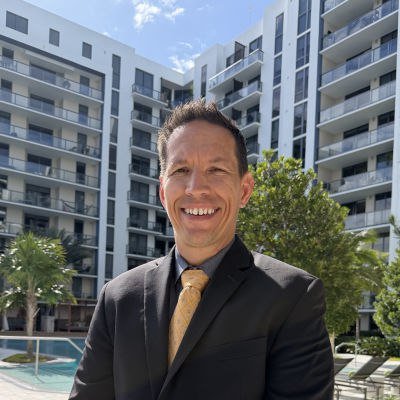
Brandon Brown is the founder of Anchor Commercial Capital, which exists to protect momentum when timing matters most. Based in Delray Beach, Florida, Brandon is a seasoned investor and technologist specializing in the intersection of commercial lending and data-driven deal execution. His professional background includes founding Rapid Surplus Refund and co-founding Lien Capital, experiences that inform his pragmatic approach to complex debt structures. Brandon is dedicated to providing sponsors with the clarity and execution certainty required in today’s volatile markets. Connect with Brandon on LinkedIn to discuss your next commercial deal.